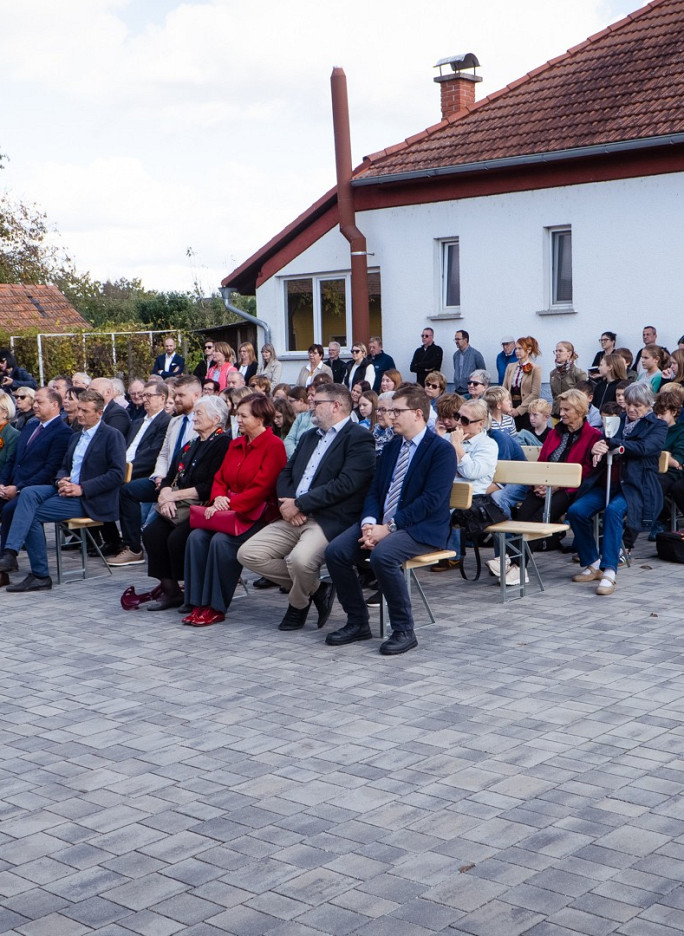
 Opening Ceremony of the Renovated Permanent Exhibition at the House of György Dobronoki
St Martin’s Day and the Traditions of Wine Culture in the Prekmurje Region
According to folk tradition, St Martin’s Day marks the end of the fruitful autumn season and the beginning of winter. By mid-November, the grape harvest has come to an end, the final tasks in the fields and gardens have been completed, and people begin preparing for the long, cold winter months ahead. Nature gradually settles into its winter rest, while farmers take stock of the year’s harvest and the results of their hard work.
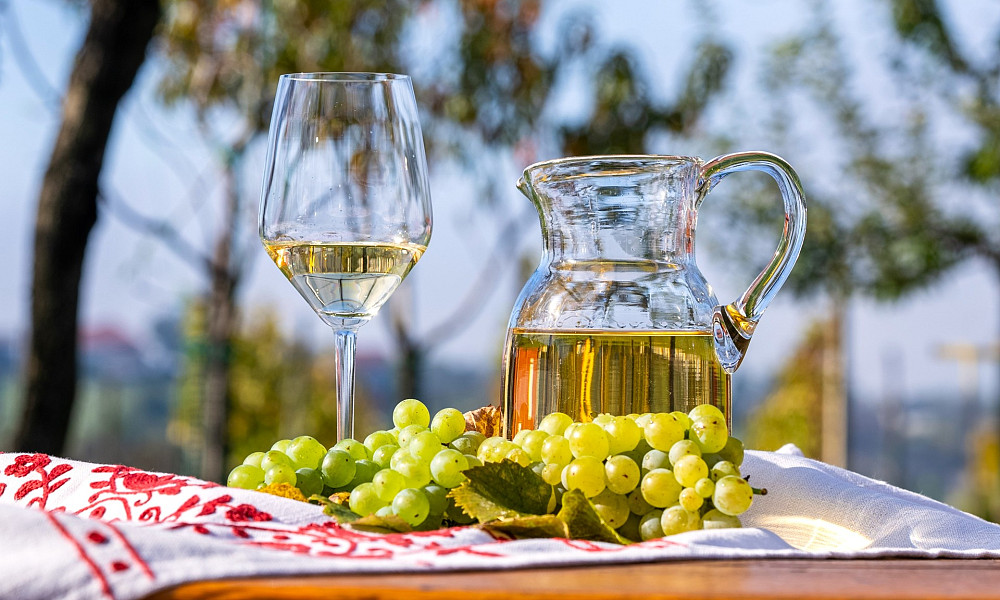
In Slovenia, one of the most important traditions associated with the 11th of November is the celebration of St Martin’s Day, known locally as martinovanje. It is closely linked to viticulture and wine culture. According to popular belief, this is the day when grape must turns into wine. For this reason, wine-growing regions celebrate the occasion with festivities, wine tastings, feasts and various cultural programmes in honour of St Martin. These celebrations are important community events that preserve local traditions while also promoting regional wineries and their wines.
St Martin, whose figure has become a symbol of selflessness and compassion, was born in AD 316 in Savaria (present-day Szombathely), in the Roman province of Pannonia, on the territory of modern-day Hungary. In his youth, he served as a soldier in the Roman army. One cold winter evening, he encountered a shivering beggar who had no clothing to protect him from the freezing weather. Taking pity on the poor man, Martin gave him half of his cloak. According to legend, that night, Jesus appeared to him in a dream, taking the form of the beggar. Following this experience, Martin dedicated his life to serving God. He later became the Bishop of Tours, although tradition has it that he had no personal ambition to hold this position. It is said that when people wanted to elect him bishop, he modestly hid from the messengers in a goose pen. However, the geese betrayed his hiding place with their loud honking, and he was eventually found and consecrated as bishop. This story is also reflected in the tradition of eating goose on St Martin’s Day, a custom that has survived to this day in many Central European countries.
St Martin’s Day traditions are still very much alive in several of Slovenia’s wine-growing regions. One particularly important event is the symbolic “baptism” of the grape must, which celebrates its transformation into wine. According to tradition, the ceremony is often led by someone dressed as a bishop, who ceremoniously “blesses” the new wine while reciting humorous verses. In some places, an apple is placed on top of a wine barrel and decorated with cloves, cinnamon or other aromatic spices. According to folk belief, the condition of the apple can predict the following year’s harvest: if it dries out nicely, a plentiful harvest is expected, whereas if it begins to rot, a poorer harvest is anticipated.
Traditionally, goose is an essential part of the St Martin’s Day feast. As the well-known saying goes: “Whoever does not eat goose on St Martin’s Day will go hungry throughout the year.” Roast goose is often served with red cabbage, dödölle (a traditional potato-based dish) or other traditional side dishes, accompanied by the new wine. The celebration is a time for giving thanks, enjoying one another’s company and sharing in the festive spirit.
The Prekmurje region is particularly rich in viticultural and winemaking traditions. Its gently rolling hills and the landscape shaped by the River Mura provide ideal conditions for growing grapes. The region attracts visitors not only with its excellent wines but also with its charming wine cellars, family-run wineries, wine routes and traditional cultural events. Throughout the year, numerous wine tastings, cellar visits and gastronomic events offer guests the opportunity to discover the local wine culture and hospitality.
Visitors to Prekmurje can sample a variety of popular local wines, including Furmint, Chardonnay, Welschriesling, Rhine Riesling, Traminer and Blaufränkisch. The region’s wines harmoniously combine the unique characteristics of the local terroir with the expertise of its winemakers. Thus, each glass tells a little of the region’s story and carries a piece of its heritage and traditions.
St Martin’s Day is, therefore, much more than a name day celebration. It is also a celebration of viticulture, wine culture, community spirit and a rich cultural heritage. Visitors to Prekmurje can look forward not only to excellent wines but also to centuries-old traditions, warm hospitality and unforgettable experiences.