“There Is a Wedding in Our Street…”
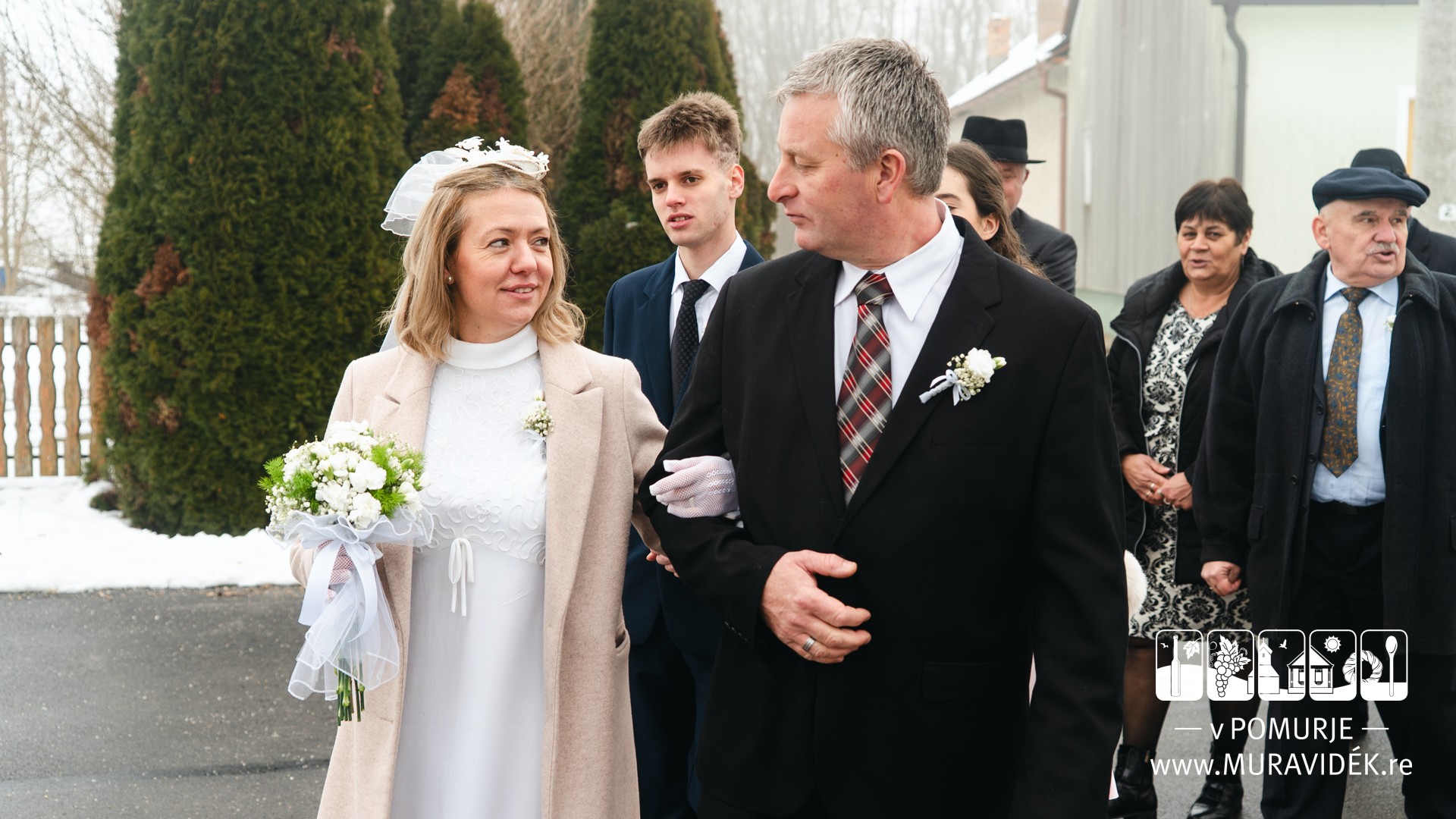
A wedding is one of the oldest and most beautiful celebrations of a community, when the rhythm of everyday life turns into a festive melody. When two people decide to join their lives together, family members, relatives, and friends step together with them through the gateway of a new beginning. The excitement of preparation, the bustling activity around the house, the aromas drifting from the kitchen, and evenings filled with music all announce that something special is about to happen…
Until the second half of the 20th century, traditional Prekmurje weddings were prepared well in advance of the actual ceremony. Families gathered to discuss the menu, the guest list, and the musicians. In the 1970s, it was still common for weddings to be held at home, in the courtyard, or in the barn. Nonetheless, by the 1980s, the celebrations increasingly moved to community halls and later to restaurants — although the atmosphere of village courtyards continued to play a defining role in wedding festivities.
Invitations were delivered in person. The wedding inviter (vendéghívó in Hungarian) — often a witty, eloquent member of the family — went from house to house in the village, inviting guests to the wedding with a charming rhyme. Their role remained prominent throughout the event: they led the procession, guided the wedding, and held together the often hundreds-strong gathering of guests.
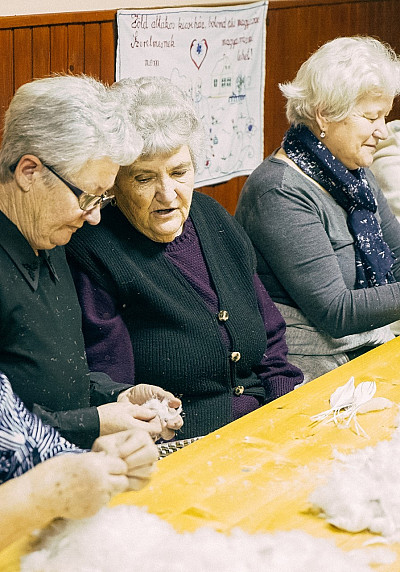
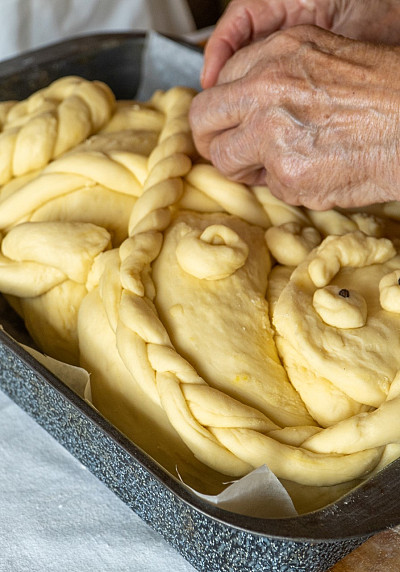
Cooking and baking were collective events. Female neighbours and relatives gathered days in advance to prepare soup noodles, various strudels, braided breads, and fragrant homemade pastries. Cakes were baked as well. Pigs and chickens were slaughtered. On the big day, abundance took centre stage: meat soup steamed, stews and roasts were prepared. Cabbage dishes and blood sausage were also served. Alongside homemade wines, fruit brandy was also an indispensable part of the celebration.
The dressing of the bride at her family home was an intimate and emotional moment. Relatives bid farewell to the bride with songs and good wishes, and she often set off toward her new life in tears.
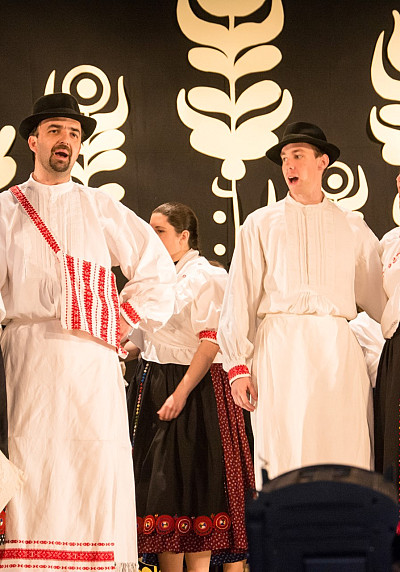
In the 1970s, gypsy musicians often played the csárdás until dawn, while by the 1980s accordion players or even quartets or quintets increasingly appeared at weddings. The repertoire expanded to include popular hits of the era. Guests often ‘requested’ songs, rewarding them with money. Dancing and singing were continuous, and the rhythm of the wedding pulsed throughout the entire night.
Before dinner, a prayer of thanksgiving to God was never forgotten. At midnight came the bride’s dance, during which guests ‘redeemed’ a dance with money, thereby supporting the young couple as they began their life together. The groom danced last with the bride, after which the newlyweds withdrew briefly and then returned as a young man and a young wife to the wedding celebration, which often lasted as long as two days.
Weddings of this period now live on as nostalgic memories: the spirit of community cooperation, respect for tradition, and the natural rhythm of village life embodied values worth preserving — values from which we can still learn a great deal today.